
Posted 10th Dec 2025 by Samuel SEO Works
Funding Options for School Transport: Grants, Leasing & Budget Tips
4 minutes read time
Funding Options for School Transport: Grants, Leasing & Budget Tips
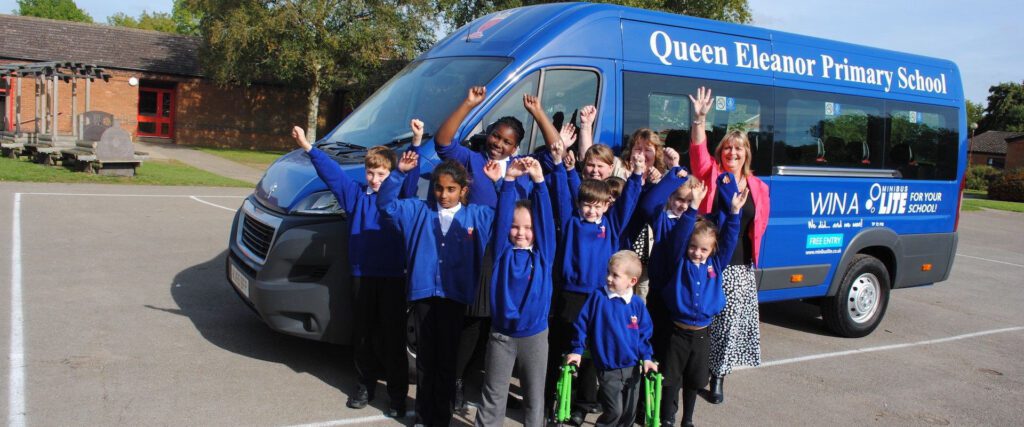
Reliable school transport is vital for safe, inclusive access to education. But with budgets being squeezed and costs on the rise, how can schools secure and sustain funding for school minibuses?
Here’s a practical ‘at-a-glance’ guide to three key options: grants, leasing, and budgeting, including a vehicle-choice tip that could save your school thousands.
1. Grants – A Helpful Start
Depending on your school, your location, and a few other criteria, you may be eligible for some grant money to help pay for a school minibus.
While grants can play a helpful part in funding school transport, they often fall short of the full amount you’ll need to purchase a minibus – but every little helps.
Where to Look
- Local authority or Education Department schemes for school transport (especially in rural/underserved areas).
- National funding bodies and charitable trusts focused on education, access, and mobility.
- Funding portals and directories (e.g., Gov.uk’s “Find a grant” tool, sector-specific databases).
- Special-purpose funding (e.g., low-emission vehicles, accessibility upgrades, shared services).
Grants are often very competitive, time-limited, or restricted to specific uses (for example, only funding new vehicles or accessibility features). That means schools should view grants as a catalyst rather than the full funding model. The real strength comes when grant funding is combined with longer-term cost planning and flexible vehicle procurement.
Top tip: You might already be missing out on funding you’re eligible for. It’s worth tasking someone in your transport/finance team with being an internal “grant champion” to do quarterly checks of the main funding portals.

2. Leasing and Vehicle Procurement – Smart, Predictable, Flexible
This is a popular option for many of our customers. Leasing school minibuses turns a large upfront capital cost into manageable monthly payments, freeing up cash for other priorities. And alongside the manageable payments, repairs, and maintenance are often looked after too when you lease a vehicle.
Key Benefits of Leasing
- Maintenance, servicing, repairs and breakdown cover are often included in the contract, removing much of the operational burden.
- Fixed monthly costs make annual budgeting easier – no big surprises from depreciation or unexpected repairs.
- Low upfront deposit (typically around three months) means less cash is tied up.
- At contract end, the minibus is collected, leaving you free to choose your next move rather than managing the sale or disposal of the vehicle, or worrying about depreciation.
Take a look at our Benefits of Leasing page for a bit more info, or check out our blog post Should Your School Buy or Lease a Minibus? for a bit of a deep dive on the topic.
Why This Matters for Schools
- Transport budgets are often squeezed: predictable monthly payments help with financial planning and reporting.
- Schools can avoid large capital outlays that might otherwise compete with teaching, facilities or staffing budgets.
- By leasing a minibus, schools can upgrade more regularly (e.g., to newer, more efficient models) rather than being locked in with an ageing fleet.
- Particularly in today’s world of fuel/maintenance uncertainty, shifting risk to the leasing provider can reduce headaches for transport managers.
Vehicle-choice Tip: The Minibus Lite
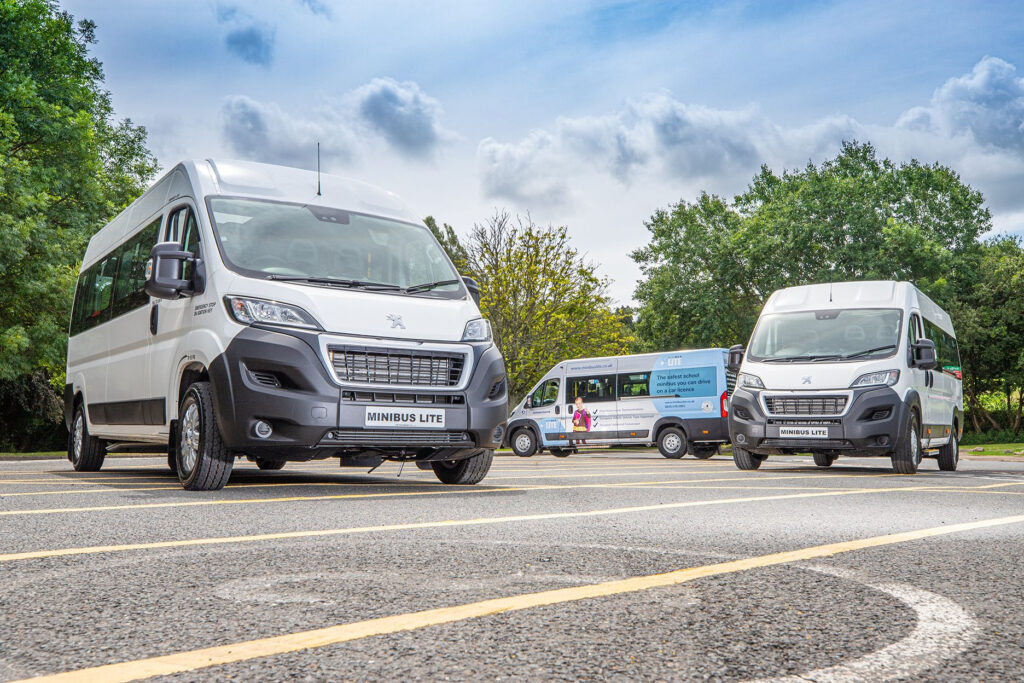
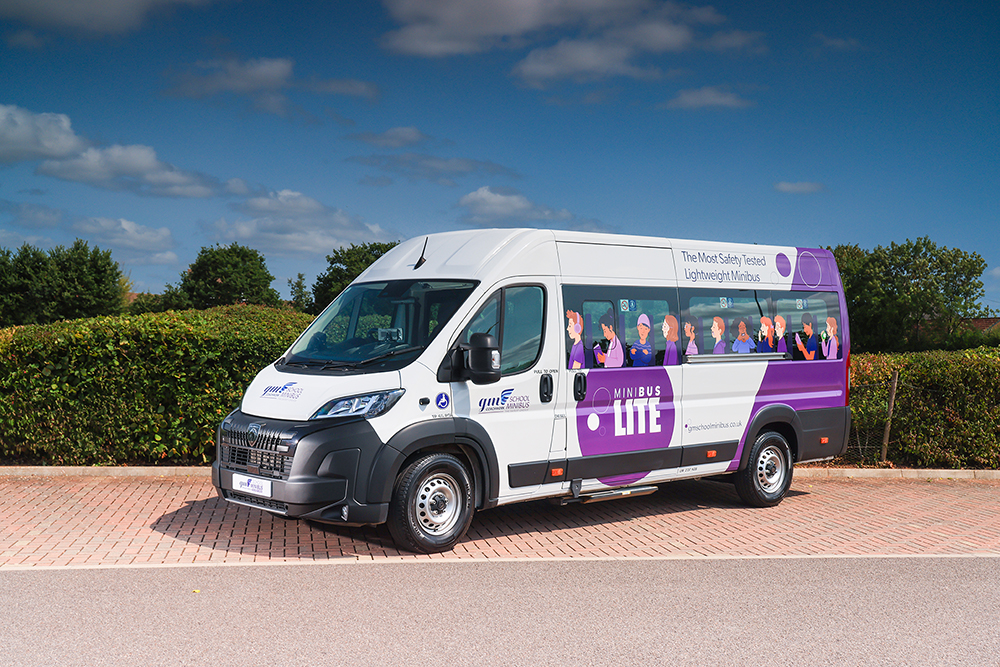
An especially budget-friendly option is the Minibus Lite from GM School Minibus. Here’s how choosing the Minibus Lite can lighten the load on your school’s budget:
- It is a lightweight new school minibus that can be driven on a standard car licence so staff don’t need costly D1 licence training. This can save up to £1,800 per driver when you consider the cost of training, tests and licensing.
- The substantial savings can be redirected into the transport budget or other school needs like staffing.
- Schools we work with love the combination of savings on D1 training and the predictable leasing cost structure.
- Take a look at our customer story from Ludlow C of E school, whose younger staff meant fewer D1 licences to work with.
3. Budgeting & Cost-Management – Do More With Less
While grants and leasing can make the purchase of your new minibus less of a headache, smart budgeting keeps your vehicle on the road and your overheads sustainable.
Audit Your Current Cost Base
Start by breaking down your transport budget: fuel, driver staffing/training/licences, insurance, servicing/repairs, vehicle downtime, route mileage. Know your biggest cost drivers.
Route Optimisation & Shared Use
- Consider combining routes
- Explore sharing vehicles with nearby schools, colleges, or community groups in off-peak hours to spread the cost.
- Use scheduling or route-planning software to reduce dead mileage, avoid under-filled trips and optimise driver time.
Vehicle Utilisation & Secondary Income
- When vehicles are not in full use (e.g., weekends or outside term time), explore opportunities for hire-out (parents’ clubs, community events), subject to policy and safety regulations.
- Choose vehicle specs that support flexibility (e.g., a 16-seat model rather than only 9 seats), so multipurpose use is viable.
Energy / Maintenance Efficiency
- Consider newer/cleaner vehicles, i.e., those with lower fuel/energy use or that might attract incentives.
- Maintenance-inclusive minibus leasing deals reduce unexpected cost spikes.
Conclusion
Securing reliable, affordable school transport isn’t just about chasing the next grant. It’s about building a sustainable funding model: smart leasing of cost-efficient vehicles, disciplined budgeting and utilisation.
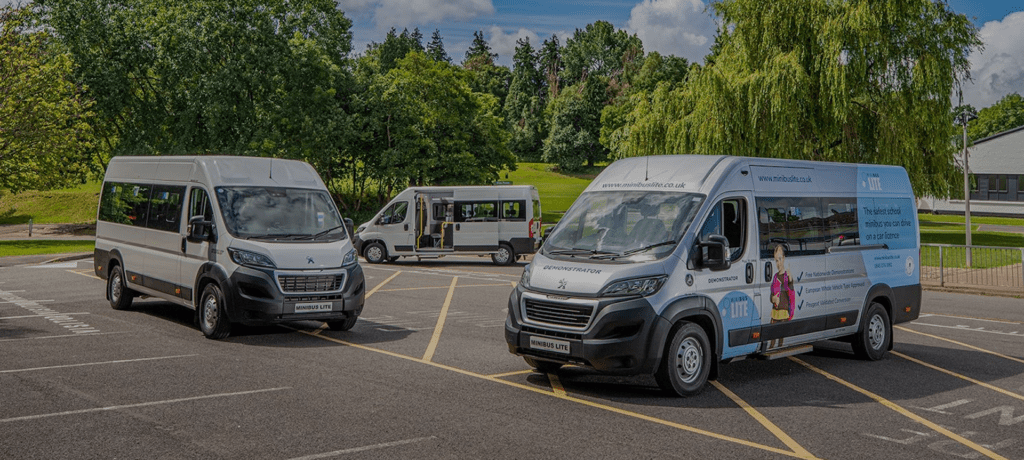
If you’re a school transport manager or finance lead: start by mapping your current costs, identify one route to replace or optimise, and explore a leasing quote for a lightweight minibus that saves on licence-training. Before you know it, you’ll be running a more efficient, predictable transport service without constant budget headaches.
Want to learn more? Contact our helpful team for a tailored leasing quote and find out how much you could save.